What does it mean?
Clarify the purpose and identity of a Christ-centered physician, and reflect on how faith shapes the path into medicine.
Medical Society Virtual Conference
A focused conversation on how faith strengthens, supports, inspires, and transforms our practice of medicine.
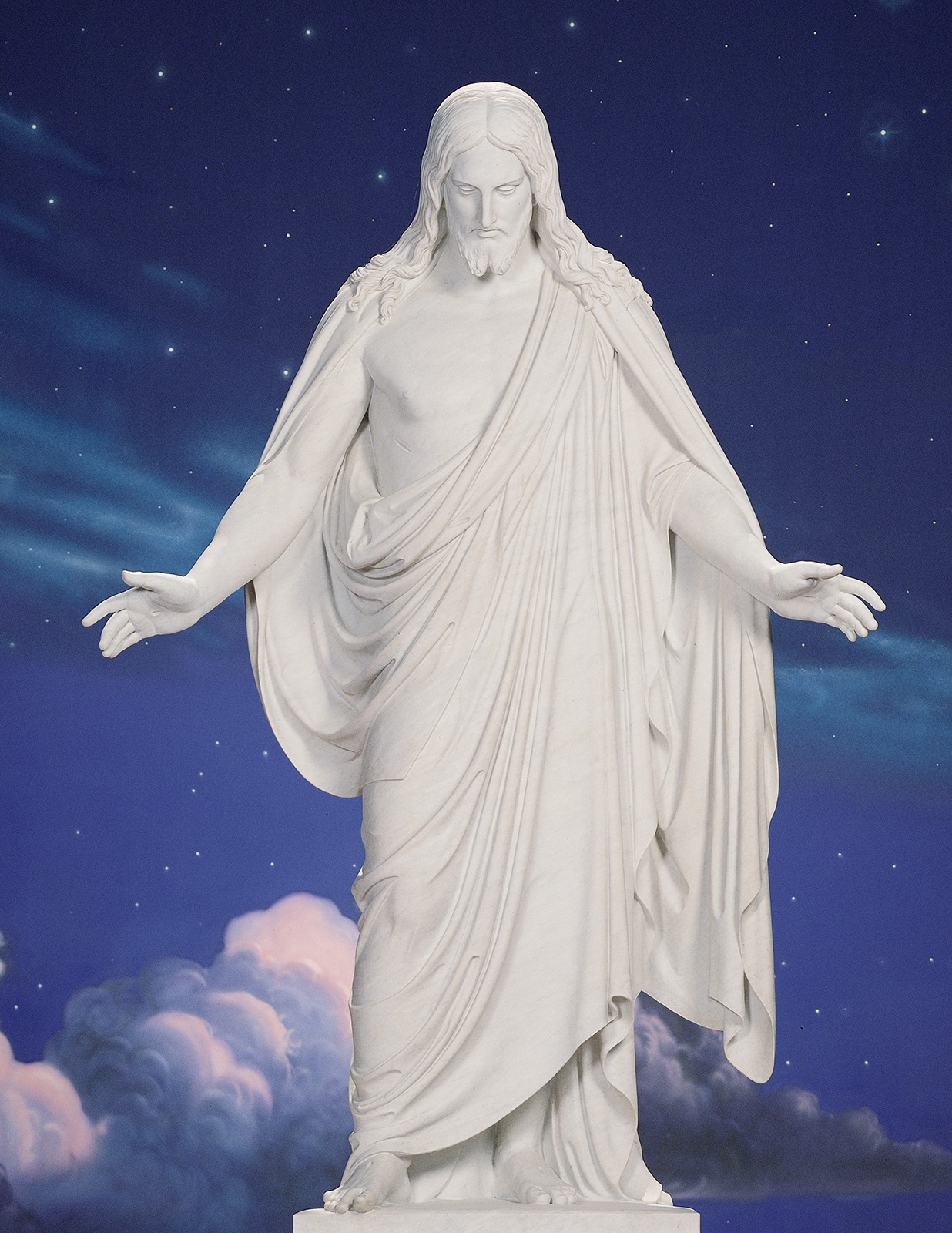
Medicine asks for knowledge, discipline, compassion, and endurance. This conference considers how discipleship in Jesus Christ can deepen each of those commitments.
Physicians, trainees, educators, and other health professionals will explore spiritual identity, balance, revelation, the gift of healing, and service to people who are marginalized or underserved.
Three guiding questions
Clarify the purpose and identity of a Christ-centered physician, and reflect on how faith shapes the path into medicine.
Develop habits that protect spiritual life, sustain family relationships, and prevent drift amid professional demands.
Use revelation, spiritual gifts, and compassionate service to change how care is delivered locally and globally.
Conference program
Three hours of brief talks, moderated breakout discussions, a keynote address, and time for reflection.
Welcome
Opening section
Second section
Third section
Keynote
Conclusion
(click each name for a short bio)
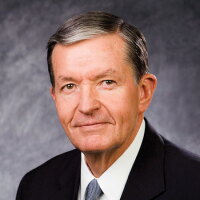
Rheumatologist, former BYU President, and Emeritus Seventy
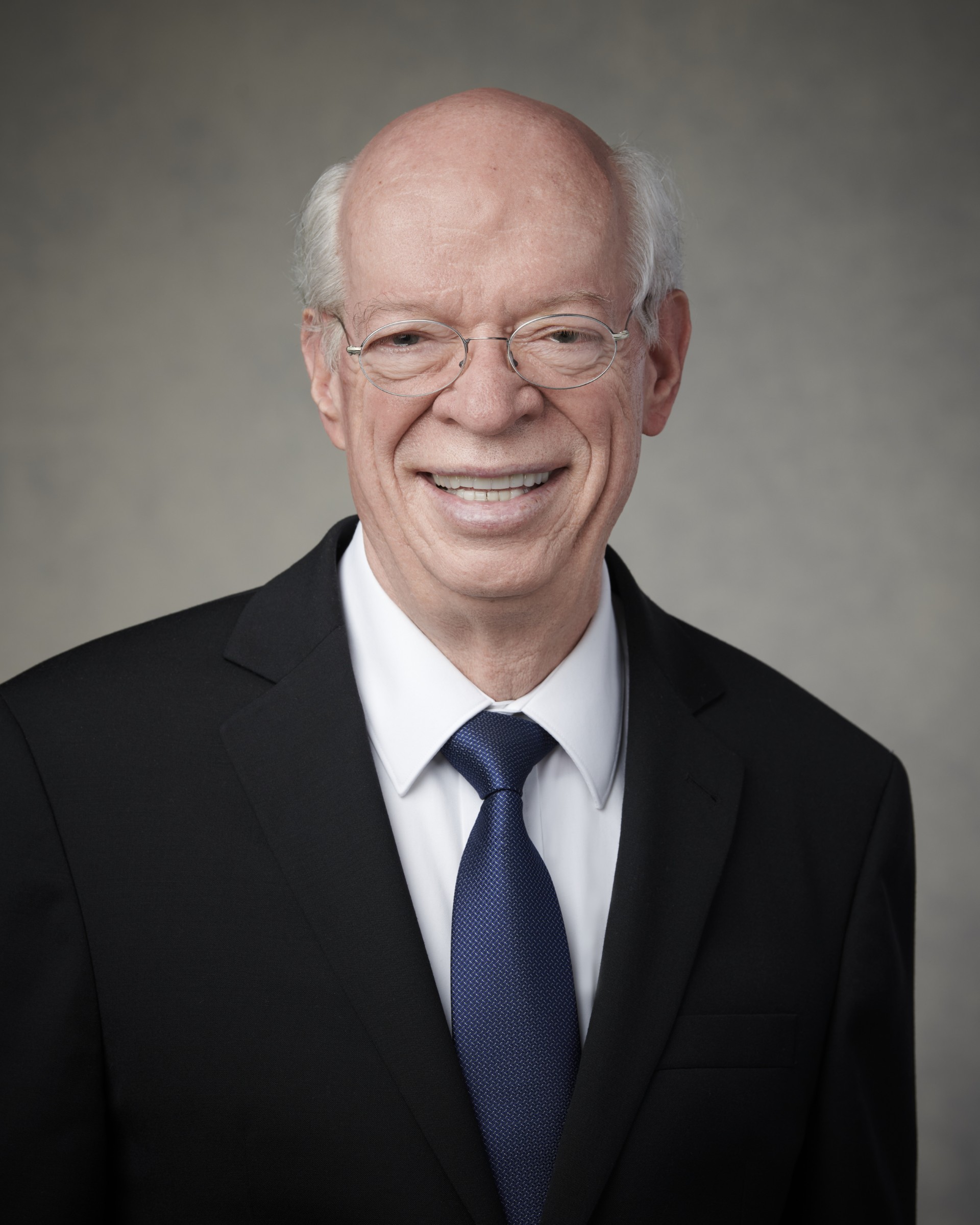
Neonatologist, former Chair of Pediatrics at Emory University, and Emeritus Seventy
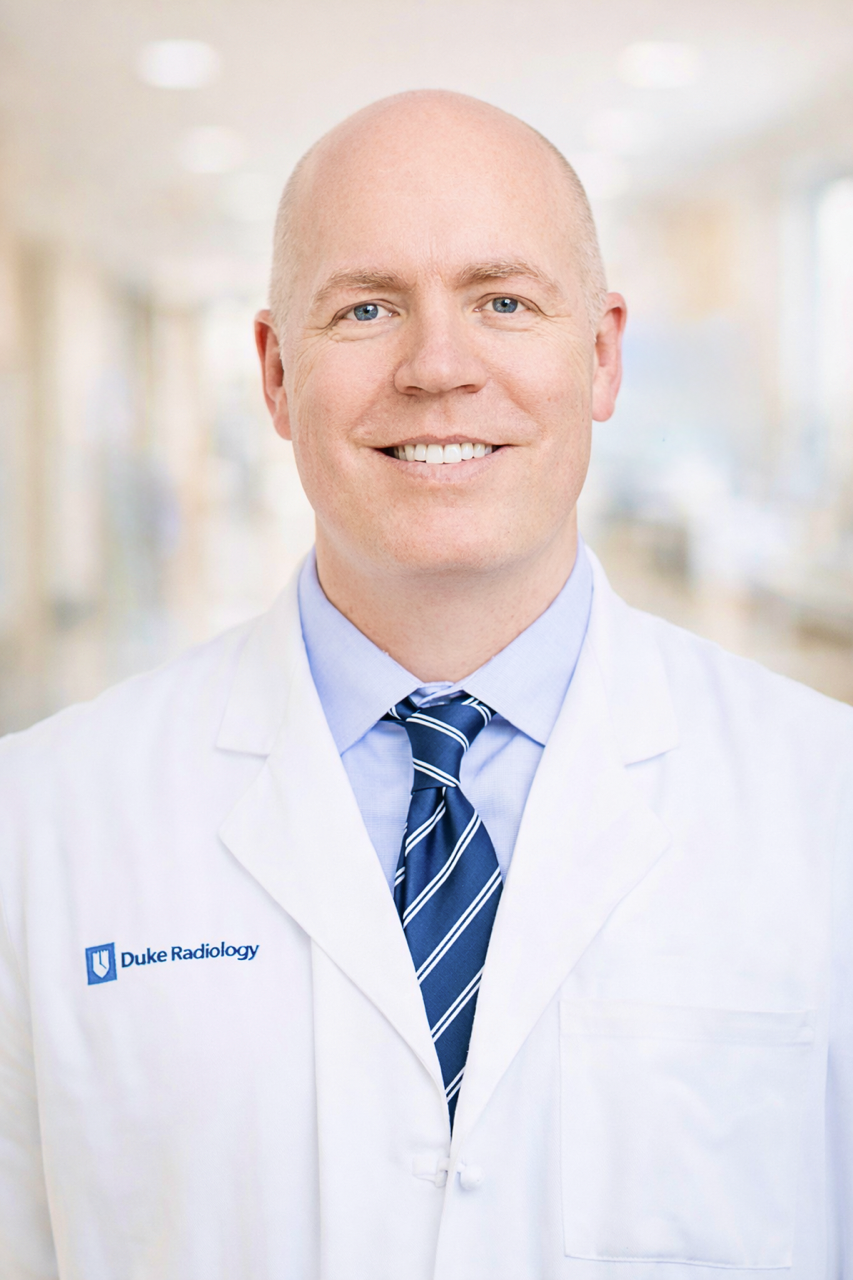
Radiologist and Vice Chair of Strategy, Department of Radiology, Duke University
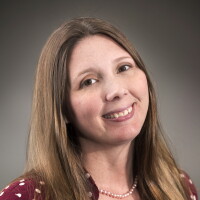
Pediatrician and Associate Dean of Curriculum, BYU School of Medicine
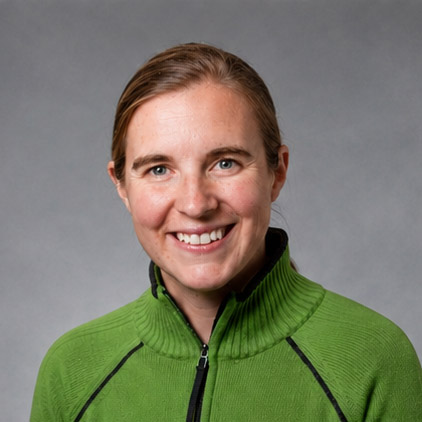
Emergency Medicine; Assistant Dean of Medical Student Advising, Dartmouth University; Chair of Student & Trainee Support Aim for the Medical Society
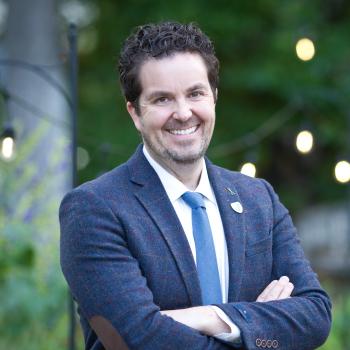
Medical Oncologist and Fellowship Director at Stanford University; co-creator/co-host of “The Doctor’s Art” podcast
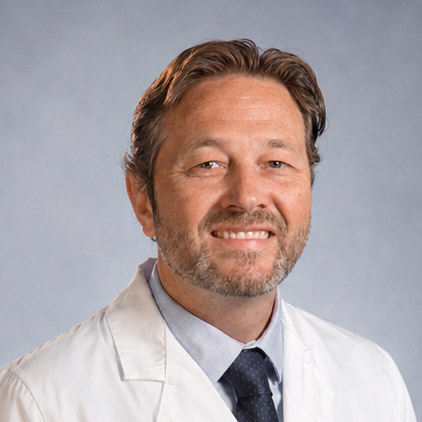
Radiation Oncologist and Co-Director of Head and Neck Oncology, Duke Cancer Institute
Featured contributor
Elder Samuelson served as the 12th president of Brigham Young University from 2003 to 2014 and as president of the Salt Lake Temple from 2014 to 2017. He also served at the University of Utah as professor of medicine, dean of the School of Medicine, and vice president of health sciences. Before his call as a full-time General Authority, he was senior vice president of Intermountain Health Care.
Dr. Samuelson completed his residency and a fellowship in rheumatic and genetic diseases at Duke University Medical Center. Called to the First Quorum of the Seventy in 1994, he received General Authority Emeritus status in 2011. He and his wife, Sharon Giauque Samuelson, have five children and 14 grandchildren.
Featured contributor
Elder J. Devn Cornish served as a General Authority Seventy from 2011 until receiving emeritus status in 2021. He earned his bachelor’s degree and medical degree from Johns Hopkins University, completed pediatric residency at Boston Children’s Hospital, and completed a newborn intensive care fellowship at Wilford Hall USAF Medical Center.
He later served as professor, chair, and vice chair of pediatrics at Emory University School of Medicine. Elder Cornish is a founding member of the Extracorporeal Life Support Organization and a pioneer in extracorporeal membrane oxygenation. His Church service has included missionary, bishop, stake president, mission president, and Area Seventy.
Featured contributor
Dr. Jared Christensen is Professor and Vice Chair of Radiology at Duke University and an internationally recognized expert in lung cancer imaging and minimally invasive thoracic interventions. He chairs the American College of Radiology committee responsible for national guidelines for lung cancer screening imaging, reporting, and management. He has delivered more than 400 invited presentations, received several teaching awards, and is a recognized leader in healthcare strategy.
Throughout his career, Dr. Christensen has pursued professional excellence while remaining deeply committed to his family and faith. He and his wife, Elizabeth, are the parents of eight children, and he currently serves as president of the Durham North Carolina Stake.
Featured contributor
Dr. Lesley Gardiner is the Associate Dean of Curriculum of the BYU School of Medicine, where she is helping develop the curriculum and educational foundation for the school’s inaugural classes. A pediatrician, physician-scientist, and medical educator, she earned both her MD and PhD from Texas A&M University, with doctoral training in Systems Biology and Translational Medicine.
She completed pediatrics residency at Baylor Scott & White/McLane Children’s Hospital and served as chief resident. Before joining BYU, she served on the faculty of the Sam Houston State University College of Osteopathic Medicine. Her interests include curriculum development, learner wellness, professional formation, and value-based career planning.
Featured contributor
Dr. Sarah C. Crockett is an emergency physician and medical educator at Dartmouth Hitchcock Medical Center and the Geisel School of Medicine at Dartmouth. She serves as an Assistant Dean of Medical Student Career Advising, Assistant Professor of Emergency Medicine, and Director of Emergency Medicine Student Education.
Dr. Crockett has devoted much of her career to medical education and mentorship. She has expertise in wilderness and austere medicine and has participated in healthcare collaborations in Mexico, Haiti, Kenya, and Samoa. She also directs the Student and Resident Support Arm of the Medical Society.
Featured contributor
Dr. Tyler Johnson is a Clinical Associate Professor of Medicine and Oncology at Stanford University School of Medicine, where he specializes in the treatment of patients with gastrointestinal cancers. He directs the Stanford Medical Oncology Fellowship and is a principal faculty member.
He serves on the editorial boards of BYU Studies and Wayfare, writes the “On the Road to Jericho” Substack, and is co-creator and co-host of The Doctor’s Art, which explores the medical humanities and human experience.
Featured contributor
Dr. Jared Robbins is Professor of Radiation Oncology at Duke University School of Medicine, where he serves as Co-Director of the Head and Neck Oncology Program at the Duke Cancer Institute. His academic work focuses on head and neck and skin cancers, palliative radiation therapy, and improving the quality and delivery of cancer care.
He has a particular interest in medical education and mentorship, has served as a radiation oncology residency program director, and has received the Association of Residents in Radiation Oncology Educator of the Year Award multiple times. He is an oral board examiner for the American Board of Radiology and Vice President of the Society for Palliative Radiation Oncology.
September 19, 2026 · Online